MINSOO SOHN GIVES AN IMMERSIVE AND ILLUMINATING BACH EXPERIENCE
Minsoo Sohn (piano): J. S. Bach’s Well-Tempered Clavier Book I, Vancouver Playhouse, September 27, 2026.
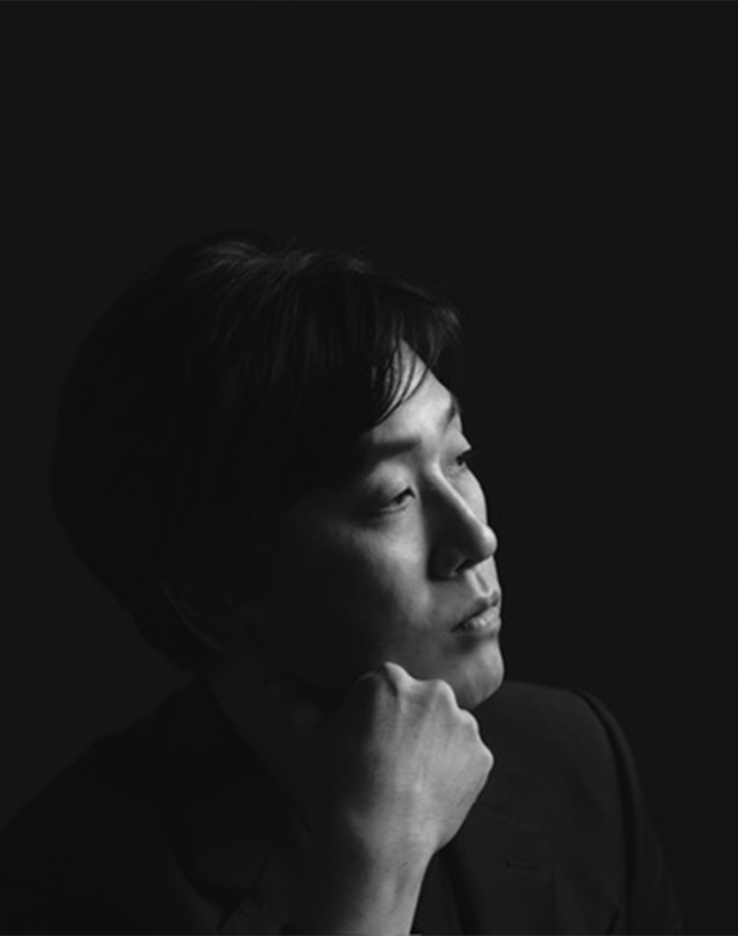
Minsoo Sohn is a 49-year-old Korean/American pianist who has become well known in recent years for his pianistic involvement and tonal elegance and beauty. His 2011 recording of the Goldberg Variations has been much heralded and, on this occasion, we had the opportunity to hear his new reading of Bach’s Well-Tempered Clavier Book I. This is coincident with the release of his CD of the work by Hyperion. Sohn was the first prize winner in the 2006 Honens International Piano competition and has received considerable recognition for being the teacher of Yunchan Lim. He registers his own debt to American pianist Russell Sherman who led him forward through his studies at New England Conservatory. His biggest recording project thus far has been the Sony release of a complete cycle of Beethoven sonatas, recorded in Seoul in 2020. Sohn used Russell Sherman’s personal annotated scores as the foundation for this performance and the recording.
The pianist undoubtedly views the playing of Bach as a fully immersive exploration of genius, monolithic and unfathomable, to be played with absolute devotion and reverence. Coupled with beautifully clean and strong articulation of the counterpoint and a discerning ease and flow in allowing the music’s variety to unfold, the results were special in creating a sense of organic unity. The playing can be big-boned – almost Brahmsian in weight at times – and is relatively linear in its exposition, though tonal dynamics are nicely varied and sometimes a certain athletic virtuosity pops out. Above all, it is a very serious Bach, largely eschewing both the smaller, text-driven innovations of Sir András Schiff and the dance rhythms and colour of Angela Hewitt. Sohn’s combination of sobriety and nobility actually has some resemblance to the gravity and architecture of the legendary Helmut Walcha when he recorded the Bach organ works years ago, though Sohn is warmer and more flowing. Perhaps the only downside is that 130 minutes is an endurance test for a pianist, and while the first half was exceptional in its concentration, Sohn’s playing in the second half showed signs of fatigue.
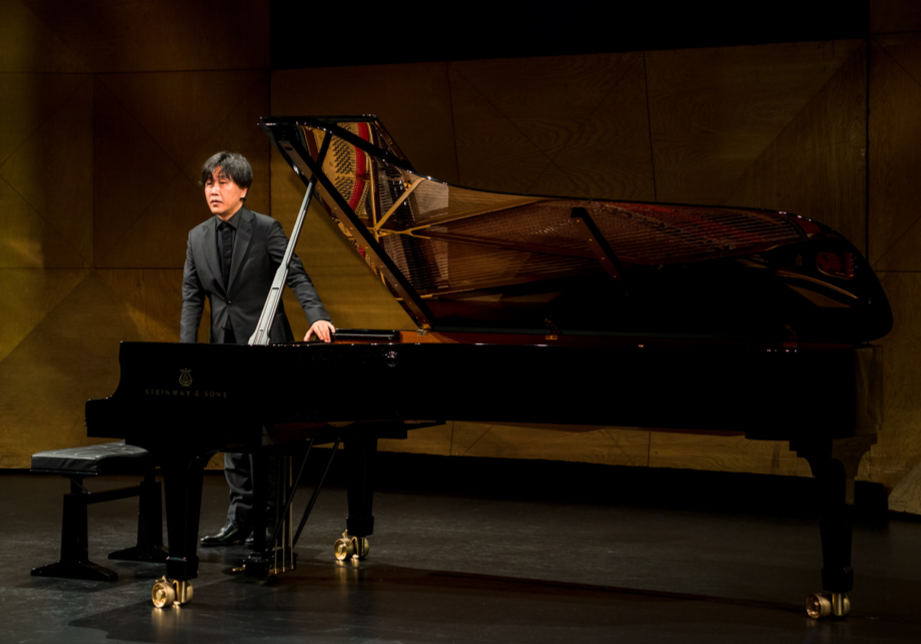
What defined the first 12 Preludes and Fugues was not only their splendid technical mastery but also their contemplative, searching instinct, recreating an active, unfolding interrogation of Bach's architecture. The variety of playing in the Preludes in particular was enchanting – from sparkling motion to quieter contemplation to even a certain piquancy – and each treatment seemed to be uniquely thought through. There was no common template to be found, nor any trace of the routine. The rise and fall of phrases were perfectly judged and seemed to be drawn from the deepest inspirational well. The Prelude to No.12 was remarkable in this respect. That said, I thought the opening C major Prelude might be slightly too warm and pretty, for all its enviable suspension and luminescence. Nonetheless, any feeling of softness soon gave way to an imposing, grounded stability, where the Fugues in particular were structurally etched in stone. A paramount example arrived in the C-sharp minor pairing (No.4), where the massive five-voiced fugue was delivered with a rare sense of architecture: wonderfully patient, unhurried, yet fully monumental and grand. In the D-sharp minor Fugue (No.8), Sohn’s reading was consummate, building up the terracing inexorably over the anchoring bottom notes.
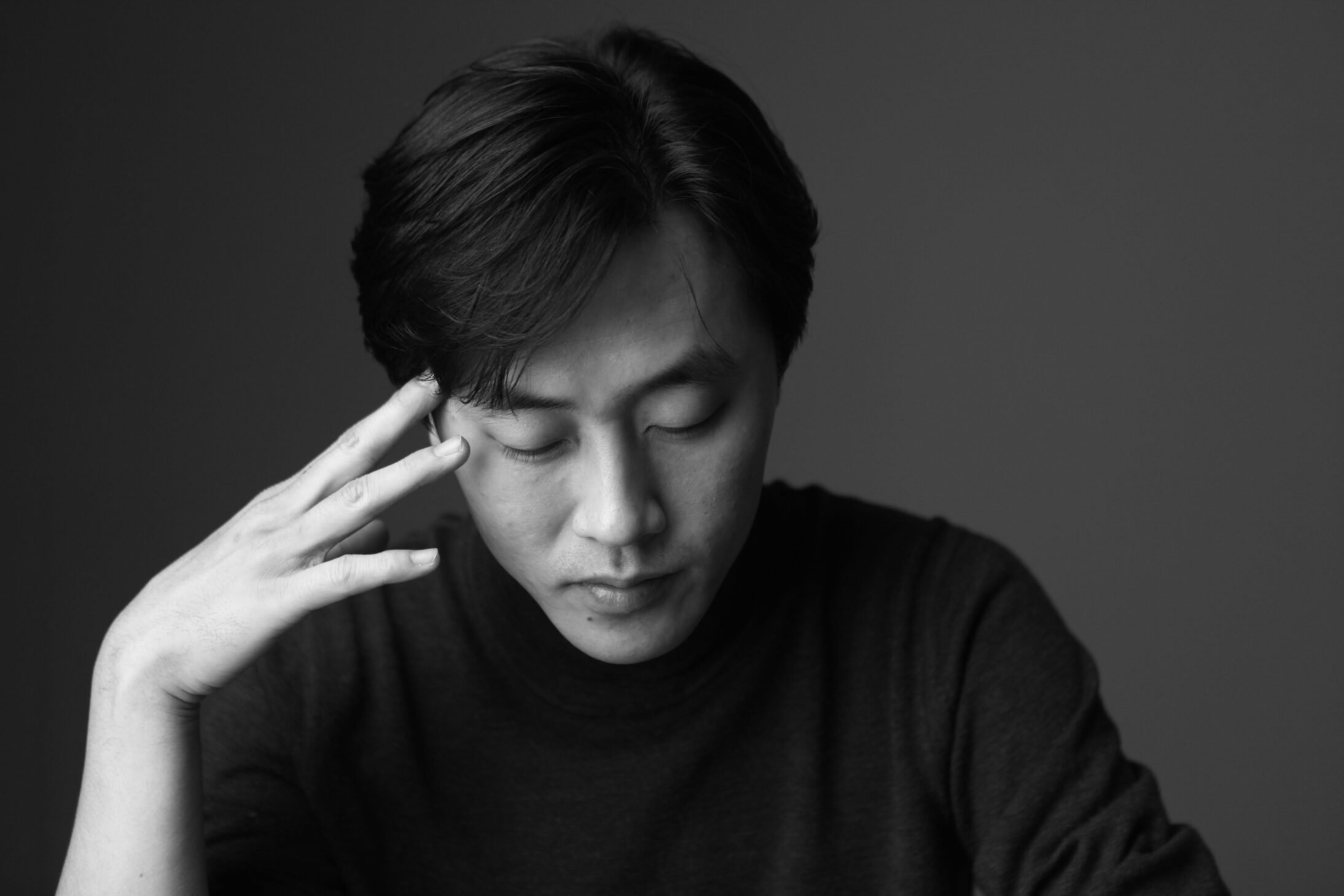
The delights continued in the second half (Nos. 13-24) – the natural inflections and judicious terracing in the lighter Preludes and the clarity and commanding control in the Fugues, some of which started from a whisper. The feeling, as before, was that nothing need be hurried: the music just has a natural ebb and flow that one must follow with unerring commitment. As we proceeded, I also noticed an increased feeling of determination in the playing; that the music was conveying some struggle against adversity, which seemed interesting. I did not immediately recognize that it might be self-referring, reflecting the pianist’s own struggle with fatigue from his two-hour plus recital challenge. While the arduous Fugue in G minor (No.16) retained Sohn’s pristine clarity and anchoring, the pieces after that did not have the same laser focus. Dynamic contrasts became marginally less exact, and the right hand did not maintain the same subtlety and flexibility. The two supreme Fugues in B-flat major (No.22) and B minor (No.24) tended to be relatively heavy and overpedaled, though they certainly maintained enough line and stature to see everything home.
Overall, this was a true labour of love for the pianist and an entrancing experience for the observer. It is such an intriguing combination: a pianist who possesses a technique completely up to contemporary standards, but whose probing vision and tonal amplitude take one back to the older masters. It is precisely the latter characteristic that distinguishes Sohn from the ambient prettiness and fluidity currently on display from today’s young keyboard wizards. Many might want a more historically informed performance of this work to live with, but I think Sohn’s effort yields a rather special individuality that should be heard and thought about. His CD is now available and be assured he was given plenty of restful breaks in recording these masterpieces. I am quite relieved that the very enthusiastic audience did not demand an encore!
© Geoffrey Newman 2026