THE DISTINGUISHED AMERICAN MAESTROS:
DAVID ROBERTSON FUSES BOULEZ AND MINIMALISM
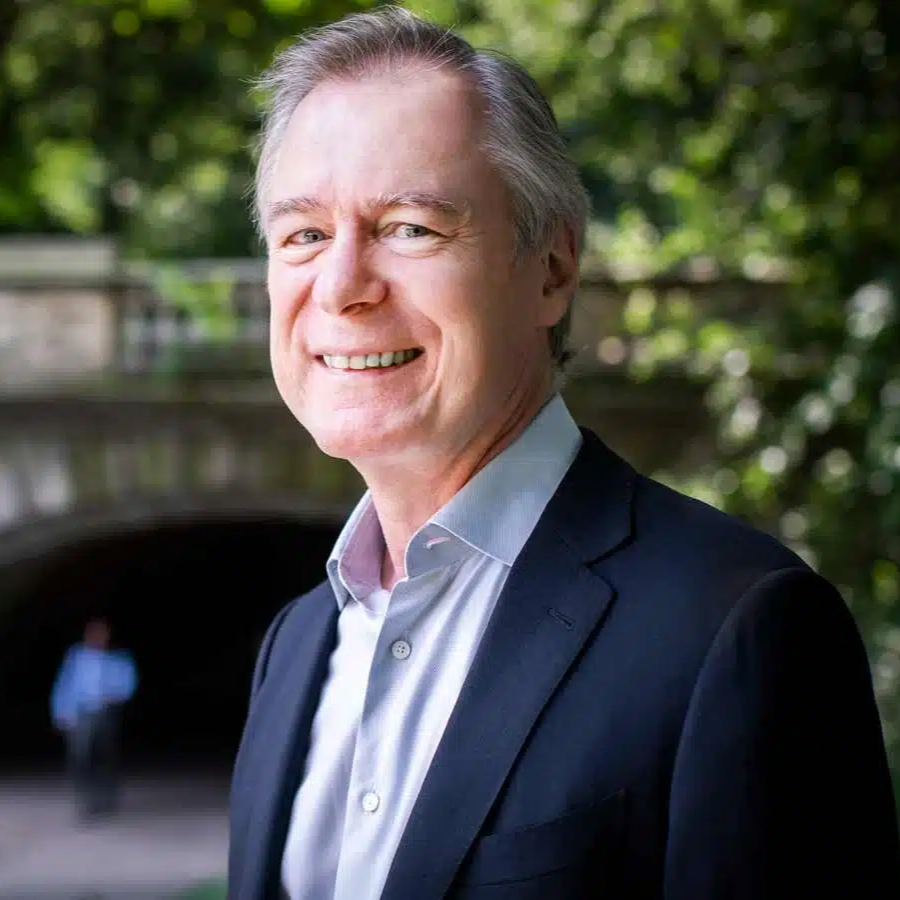
Californian David Robertson rose to prominence by being selected by Pierre Boulez to lead the Ensemble Intercontemporain (EIC) in Paris in 1993 for his abilities to bring striking clarity and line to the most complex modernist scores. His further contribution was incorporating ‘minimalism’ and, in particular, the works of John Adams into the EIC repertoire. Robertson subsequently became principal conductor of Orchestre Nationale de Lyon (2000-2004), the St. Louis Symphony (2005-2018), and the Sydney Symphony (2014-2019). His current appointment is Director of Conducting Studies, Distinguished Visiting Faculty at the Juilliard School. His principal recordings have been of Boulez, Adams and Messiaen, and both his disc of Adams’s City Noir and the Saxophone Concerto with the St. Louis Symphony (2014) and his recording of the Met production of Gershwin’s Porgy and Bess (2021) have won Grammy awards. This interview took place coincident with his Vancouver Symphony Orchestra concert of Adams and Nielsen at the end of January 2026, and discusses developments in his career, his love of Pierre Boulez, John Adams and the variety of modern composition, as well as his unique philosophy of music.
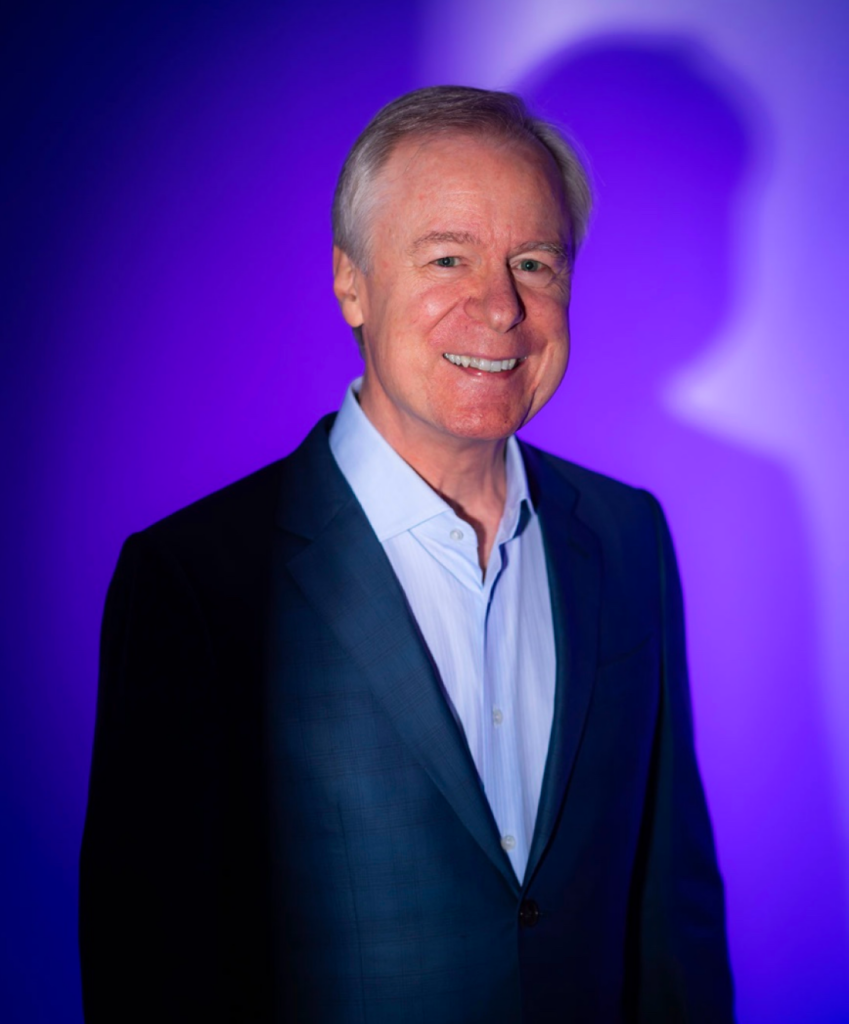
1. THERE IS SOME INTRIGUE IN AN AMERICAN CONDUCTOR WHO CURRENTLY IS DIRECTOR OF CONDUCTING STUDIES AT JUILLIARD BUT WHO STUDIED AT THE ROYAL ACADEMY OF MUSIC LONDON, NOT JUILLIARD, AND WHO REGARDED CONDUCTING AS ONLY ONE OF A NUMBER OF INTERESTS. HOW DID THIS TRANSPIRE?
The reason I was drawn to the Royal Academy was simply that it was one of the few places where I could do a triple major: conducting, horn, and composition. Understandably, such a project was an incredible amount of work and, early on, I often felt that I was not achieving the standards I wanted in each area. Fortunately, I managed to pass the higher-level horn exam a year early – studied with Nicholas Busch – so I could just concentrate on conducting and composition in my final year. So, everything worked out.
2. SO WHEN DID YOUR CONCERT CONDUCTING BEGIN?
I suppose my actual conducting debut was at the age of 13 with my junior high school orchestra. The Santa Monica Unified School District had an absolutely stellar music program from which quite a number of distinguished musicians have graduated, and that is where I was first given real encouragement and podium time. I conducted at the Royal Academy for two years and gave a number of concerts in London, but they were all sort of under the radar because, as a Yankee, I was only on a student visa.
3. SO HOW DID THIS EXPERIENCE ULTIMATELY LEAD TO YOUR EMERGENCE AS A PIERRE BOULEZ DISCIPLE AND YOUR APPOINTMENT AT ENSEMBLE INTERCONTEMPORAIN (EIC) IN 1992?
Boulez fortunately worked with the BBC Symphony during my time in London, and I had the opportunity to observe him closely in rehearsals, though I did not speak with him. An initial turning point was winning second prize at the Nicolai Malko Competition for Young Conductors in Copenhagen in 1981, which allowed me to become an assistant at Deutsche Oper am Rhein in Düsseldorf and visit other orchestras with a variety of repertoires. After also lecturing and conducting in the Middle East under the auspices of the US Information Agency (USIA), I secured my first real appointment at the Jerusalem Symphony Orchestra in 1985. I had always been interested in music of our time because of my interest in composition, so I tried quite a few modern, complex scores with the orchestra. This steadily built my reputation. Eventually, I was asked by Radio France to do some work for them, which led to a second big turning point: conducting a very successful world premiere of Gérard Grisey’s Le temps et l'écume at the Maison de Radio France in Paris in 1989, an extremely challenging ‘spectral’ piece. Boulez himself attended, was impressed, and ultimately chose me to take over at EIC three years later.
4. SO YOUR CAREER WOULD BE QUITE DIFFERENT IF BOULEZ NEVER SAW YOU?
Yes, very probably. I was already interested in many types of music, and when you're starting out your career, there is often a prejudice that if you do one thing and do it well, that's the only thing you can do. In fact, I was already known as an early music conductor in Ireland, a late romantic orchestral conductor in Italy, and a bel canto specialist in the south of France and the Catalan region of Spain. Even at the moment I was named as music director at EIC, I was doing a five-city tour with Marilyn Horne in an all-Rossini program. I’m sure this confused the French, and probably still does!
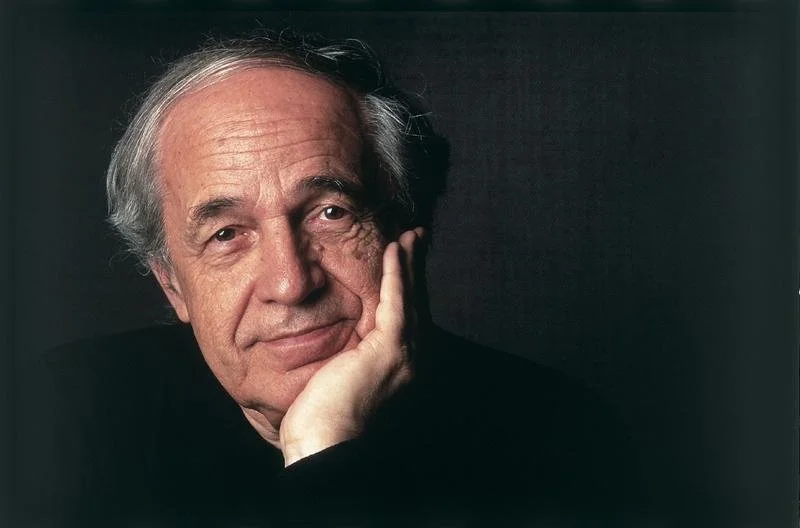
5. NONETHELESS, IT SEEMS THAT THE EIC POSITION WAS A DREAM FOR YOU SINCE BOULEZ WAS YOUR ‘ICON’.
Yes, he’s an artist who does not have a whole lot of parallels in modern times. Even beyond the range of his pathbreaking original compositions over a half century, he was someone who could teach and write about music with eloquence and understanding, and get others to follow. Then, there was the sheer scope of his conducting and recording on top of this. Traditionally, Schumann might come close in a couple of areas, and Mahler and Schoenberg too. And, of course, going further back, there’s Berlioz. It would be simply very hard to find someone in the last 100 years who really touched all of the bases in the way that Pierre did.
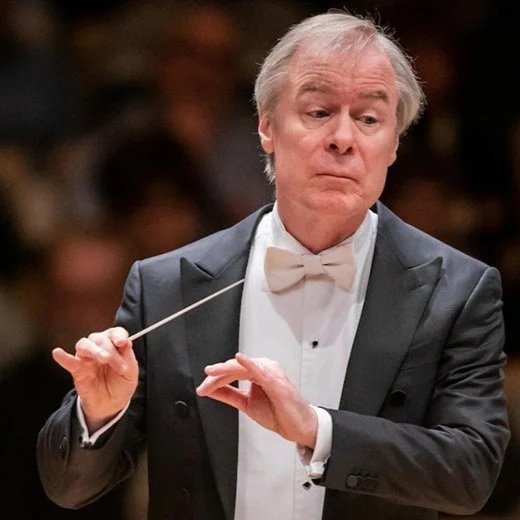
6. BOULEZ ORIGINALLY SET UP EIC AS A SPECIFIC ‘NICHE’ FOR MODERNIST MUSIC, BUT YOUR APPOINTMENT REFLECTED HIS ONGOING IDEA THAT IT HAD TO BE BROADENED AND BECOME LESS ICONOCLASTIC.
Yes, that’s true. For example, I did the first French performance of Dutch composer Louis Andriessen's De State, 19 years after its world premiere. It had never been played in France, and did not have a particularly good reputation either. But I felt it was an important piece, and many contemporary composers were saying it was a catalyst for their own work. Understandably, the work was not really Pierre’s cup of tea, but he still came up to me after our performance and said, ‘It's so important that you do this.’ So, I felt a lot of support from him, even on repertoire that he would not likely put in his own programmes. Overall, I ended up doing most of the pieces that EIC had in their repertoire, and premiered some of Boulez’s own. His Rituel in memoriam Bruno Maderna and his Notations are works are I have done many times. Composers like Brian Ferneyhough, György Kurtág, Iannis Xenakis, and Luciano Berio were also represented.
7. THE SURPRISING THING WAS BOULEZ ACCEPTED ‘MINIMALIST’ WORKS INTO THE FOLD, SINCE HE ORIGINALLY DISMISSED THEM, AND MODERNIST COMPLEXITY IS ALMOST THE ANTITHESIS OF AMERICAN MINIMALISM.
It actually started with my predecessor Peter Eötvös, the EIC’s first director, who began to introduce works by Steve Reich. My central contribution was to open up the repertoire further by introducing John Adams. However, I did not move to Philip Glass since I have always felt that his orchestral works are not his most unique music. However, I did bring Glass to Lyon when I was conducting there a decade later to do one of his film scores while playing with the Kronos Quartet.
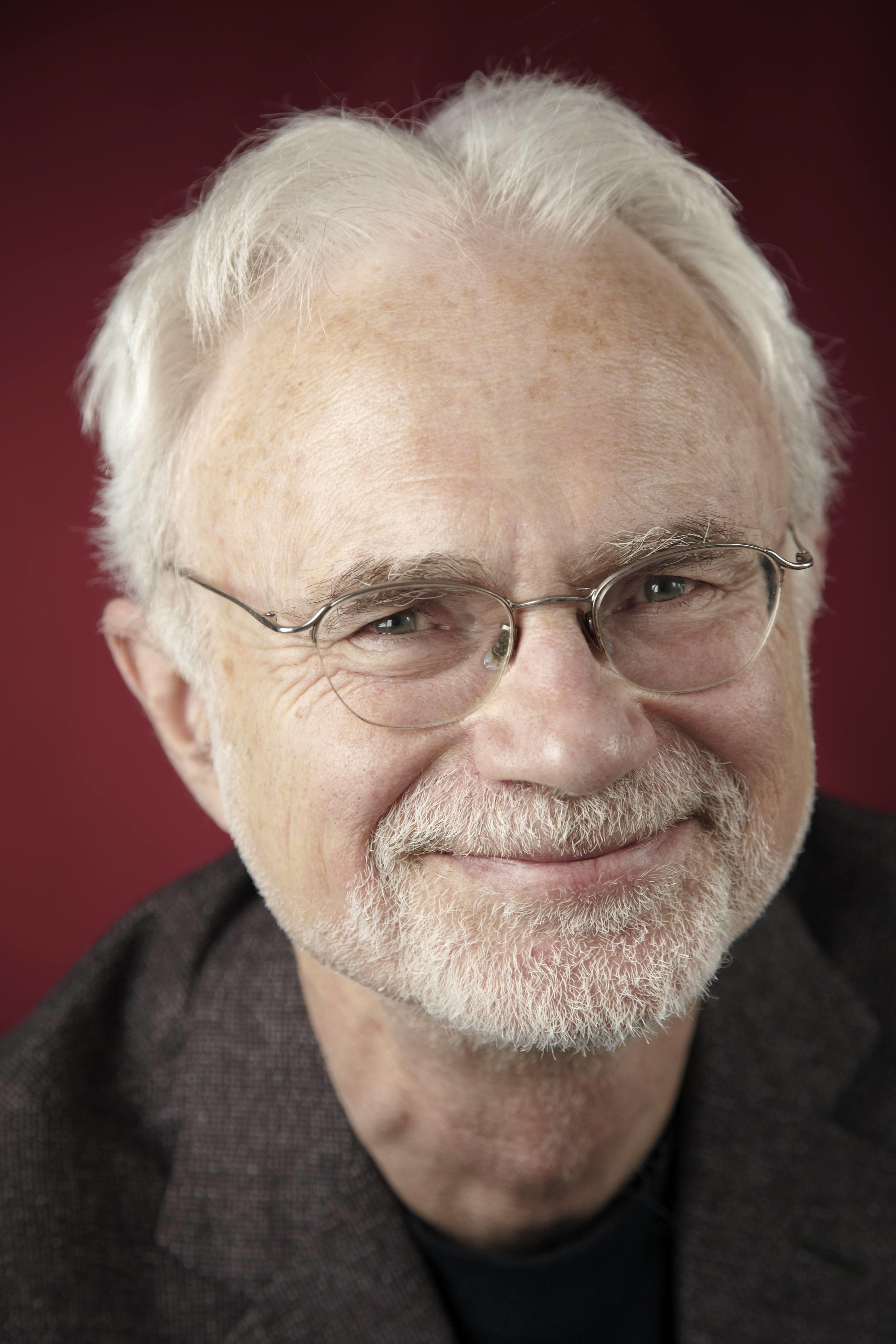
8. YOU HAVE AN INDELIBLE CONNECTION TO BOTH STEVE REICH AND JOHN ADAMS, SINCE YOU WORKED WITH BOTH OF THEM PERSONALLY. WHAT EXTRA INGREDIENT DOES THAT PERSONAL ASSOCIATION GIVE FOR INTERPRETING THEIR SCORES?
There is no doubt that you have a better understanding of a composer’s work by knowing where they came from and what things are important to them. But this is not a simple problem: in fact, what may make a composer worth listening to is that is they attempt to say things that go beyond their immediate personality. That is why an understanding of the deep structure of their scores with their notations and markings, is the ultimate guide. Knowing a composer in person only aids in confirming that your structural hunches about their works are correct. I actually think there's a hermeneutic quality to a score, so that even if you don't know much about the personal life or thoughts of a composer – as with historical composers or an unknown contemporary composer – the way they organize their musical notation already reveals a large number of choices the composer has made in trying to transcribe living sound. It is a huge amount of information to work with. To cite a well-known example, I think Bruno Walter would still have found that richness and meaning in the score of Mahler’s Fourth Symphony even if he did not have the fortune to know the composer so well.
9. YOU ARE PERFORMING CARL NIELSEN’S SYMPHONY NO. 4 ‘THE INEXTINGUISHABLE’ FOR US. ARE YOU SAYING BY UNDERSTANDING NIELSEN’S DEEP STRUCTURE IN THE SCORE, YOU DO NOT REALLY NEED MUCH MORE INTERPRETATIVELY? MIGHT YOU NOT CONSULT THE RECORDINGS IN THE TRADITION OF THOSE WHO ACTUALLY PLAYED AND CONDUCTED IN NIELSEN’S OWN ORCHESTRAS, SUCH AS LAUNY GRØNDAHL’S HMV ACCOUNT IN 1951?
While I still can't say ‘inextinguishable’ in Danish, I do think there are things that I understand about Danish history and even Danish cooking that allows Nielsen to speak to me in a way that is more informed than if I were conducting a composer whose country I had never visited or whose language I had never tried to learn. All of these things can inform what I hope is the best and most open presentation of a piece of music. But no, I have not studied Grøndahl’s interpretation.
I am very much guided by the philosophy of Erich Leinsdorf in his book, The Composer's Advocate: A Radical Orthodoxy for Musicians: ‘If we are there as the composer's advocate, whether the composer is living or not, we are there to defend and explain and make clear the intentions of the composer in the court of public opinion.’ (as paraphrased from Michael Tilson Thomas) That is a very important role, and it means that we need to know as much as possible about any composer, whether alive or not.
10. YOUR POSITION SEEMS TO BE A BIT OF A CHALLENGE FOR ANY PHILOSOPHER OF AESTHETICS: ON ONE HAND, YOU SEEM TO SUGGEST THAT THE SCORE IS AN ARCHITECTURAL BIBLE THAT CAN BE UNDERSTOOD INDEPENDENTLY OF ANY EXTERNAL CONTEXT (STRUCTURAL ESSENTIALISM); ON THE OTHER, YOU SEEM TO SUGGEST THAT THE INTERPRETATION OF THE WORK CAN BE IMPROVED BY KNOWLEDGE OF OUTSIDE CONDITIONS OR CULTURAL/HISTORICAL ATTRIBUTES (INTERPRETATIVE RELATIVISM). YOU PRESUMABLY DRAW THE LINE WHEN IT COMES TO STRICT BIOGRAPHICAL DETERMINISM: THAT A FAITHFUL INTERPRETATION OF THE SCORE REQUIRES AN UNDERSTANDING OF THE COMPOSER’S FRAME OF MIND AT THE TIME THAT THEY WROTE IT?
Biographical information can help to give you some general ideas and feelings, but knowing how a composer felt for a given day or month when a composition was being written means almost nothing. Referring to Schubert’s sadness, or Schumann’s mental instability, or even Beethoven’s deafness, adds little to our understanding of the structures they created. And this approach can get sort of carried away: if Schubert was as really that ‘sad’ or Schumann that ‘unstable’ in a given period, could they have actually composed any music at all? I like to say that the first composition that Mozart wrote after his father died was ‘A Musical Joke’.
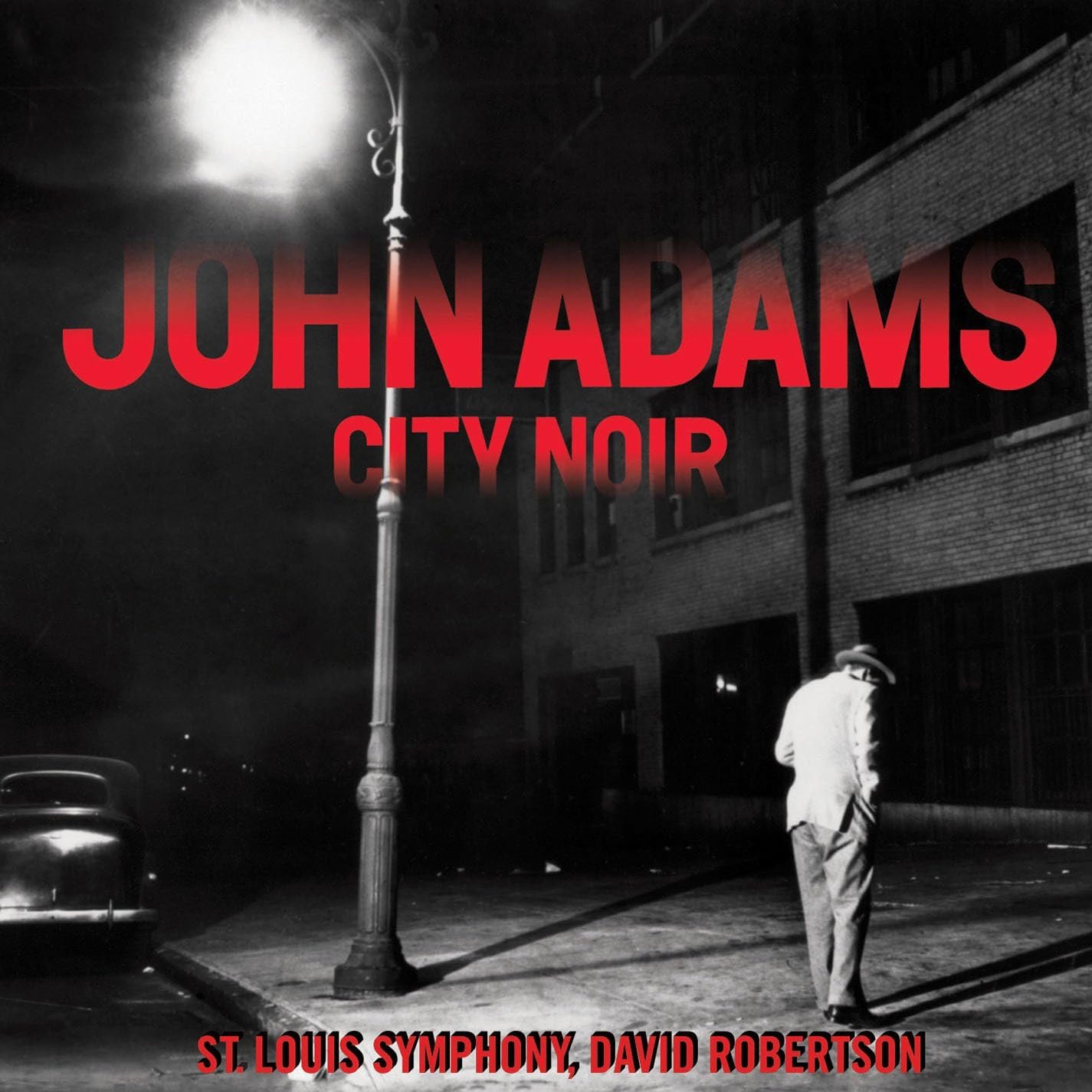
11. MANY HAVE CLASSIFIED JOHN ADAMS AS A ‘MINIMALIST’ FROM THE EARLY PERIOD OF SHAKER LOOPS; THEN ‘POST-MINIMALIST’ FROM HARMONIELEHRE, AND PERHAPS SOMETHING ELSE WITH RECENT PIECES LIKE MUST THE DEVIL HAVE ALL THE GOOD TUNES? AND HIS SUBSEQUENT PIANO CONCERTOS. WHAT IS YOUR VIEW OF ADAMS’S EVOLUTION?
I think John Adams was initially taught in the same standard way that many of conservatory and university students were taught in the 70s, and his early pieces were a reaction against that tradition, particularly serialism. This is much the same experience as Steve Reich had ten years earlier. What you see in Adams's development is his realization of the need to create specific types of compositional tools that can be developed and applied generally and in a way that really satisfied both his creativity and his aesthetic. Whereas his training would have stressed that a composer should always move in the direction of more complexity, Adams advocated going the other way. But that does not imply that a composer who is using these simple constructional algorithms doesn't have sophisticated and complex ideas behind them. The difference is that the complexity is hidden outside the score rather than within it, which make the pieces more accessible.
People may talk about different stages of Adams’s development but, in many ways, I think that is misleading. The main thing that you find in every single one of John's pieces is that it is a journey through a landscape. And as you are going through the landscape, you see similar types of trees and hills and mountains. And the further you go on this journey, the more you start to notice slowly that landscape has changed. This is the evolution in every one of his pieces. Probably the clearest example is something like A Guide to Strange Places, but taken at a more macro level, I would say that the transformations between material that you see in Shaker Loops are fundamentally the same as the transformations you see in the recent Must the Devil Have All the Good Tunes? It's only that in the latter the language has evolved in such a way that some of the events may strike you as happening more quickly.
12. SO THAT MEANS YOU PREFER TO STRESS THE STRUCTURAL INVARIANCE IN ADAMS, RATHER THAN THE FACTORS WHICH MIGHT HAVE LED ‘THE LANGUAGE TO EVOLVE’, AND A POSSIBLE LEARNING PROCESS THAT MIGHT HAVE BEEN BEHIND IT.
Yes, very simply because the person who writes a piece when they're 20, as far as their driver's license is concerned, is the same person at age 70. We might look at them, we say, no, they are not the same person – but it is still the same DNA. If you look at Beethoven, and compare his first piano sonatas with Op. 111, or his Op.18 quartets with his ‘late’ quartets, your immediate reaction is that he was a much different composer when older. Yet you still recognize that all these works are by one unique composer, and that the core ideas of expression and thematic development are the same. On the other hand, if you compared Beethoven’s Op. 18 quartets with Haydn’s quartets, you immediately notice that certain choices that Beethoven makes, Haydn would never dream of making.
The same applies even when you hear the final quartet of Elliott Carter. You might not think that it's the same composer who wrote his first and third, but you can still observe that certain choices the composer makes are common to all of them, and that is tied to his unique personality and how his personality reacts to music. At the most general level, I do think there are a number of core elements to musical expression for human beings that are redefined in different cultures and for different historical periods over and over, but they are the same core ideas.
13. YOU HAVE OFTEN TALKED ABOUT THE ‘MAGIC’ IN LIVE PERFORMANCE, AND THE DESIRE TO CONSTRUCT MUSICAL PROGRAMS WHICH FOSTER IT. CAN YOU EXPLAIN THIS?
I think a concert ought to be like an evening at the theater, where you have, say, three or four characters on stage, and they each say things that make the other character feel and act a certain way. And some of those characters may be ones we think we are familiar with, such as Antonin Dvořák, but the moment that you put a modernist George Crumb on the stage with Antonin, it suddenly makes Dvořák sound different than you previously thought. I also like to introduce worthwhile pieces that a particular audience might not have much familiarity with. For example, it could be Arnold Bax or Edmund Rubbra, whom I studied in Great Britain, but who are largely unknown in North America. I love the music of Carl Nielsen, but he is not very well known in France. Therefore, I played the music of Carl Nielsen in France. Whether or not the French then say, oh, yes, this is something we want more of or not, is a choice that they can make.
While I love to put Adams in my concerts, there are so many other contemporary American composers who I also love: Steve Mackey, Sarah Kirkland Snyder, Avner Dorman and Elliott Carter. I have also conducted Chris Rouse many times. With the British composers, I'm certainly quite close to George Benjamin. I've also done premieres of Mark Anthony Turnage, works by Harrison Birtwistle, and many pieces of Oliver Knussen. Differences in aesthetic style do not really concern me. The most important thing when presenting a contemporary composer is to ensure that the composition finds a real resonance with the other works on the program, so it becomes natural for the audience to assimilate it.
14. WE COULD DISCUSS YOUR MANY INTERESTING PROGRAMMING CONCEPTS USED DURING YOUR TIME AT THE ST. LOUIS SYMPHONY AND ORCHESTRE NATIONALE DE LYON, BUT IT IS YOUR STAY AT THE SYDNEY SYMPHONY THAT INTERESTS ME BECAUSE OF YOUR COLLABORATIONS WITH BRETT DEAN, WHOM I FIND A TERRIFICALLY IMAGINATIVE COMPOSER AND A PERSON OF WONDERFUL GENEROSITY AND SPIRIT. IS THAT YOUR OPINION TOO?
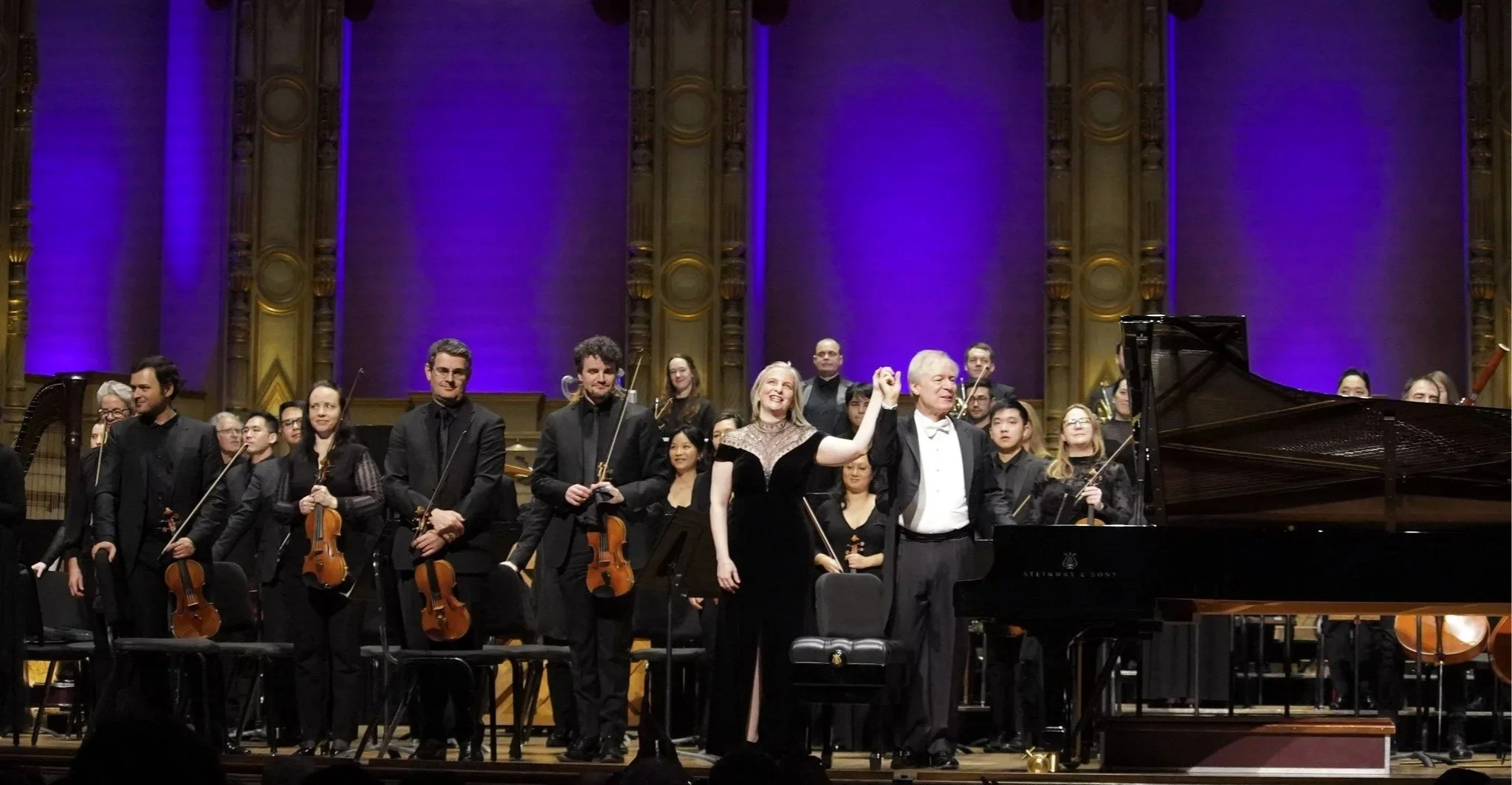
Yes, I agree absolutely. I performed many of his pieces while at Sydney, including some premieres and some of his innovative children’s pieces. His orchestral writing is really very fine, and I'm very proud to have performed him. I’ve played his Testament in several different continents, and in both the version for violas and the version for chamber orchestra. The thing that is so immediately enticing for any audience is the way he uses physical pieces of wood and metal, as well as water, to create sounds that are so beautiful and magical. Such compositions allow me to create something that feels really unique and special.
15. GIVEN YOUR COMMITMENT TO AMERICAN MUSIC, IT WOULD ALSO BE INTERESTING TO KNOW YOUR OPINION ON THE ‘FORGOTTEN’ AMERICAN WARTIME COMPOSERS THAT BOTH CONDUCTORS GERARD SCHWARZ AND LEONARD SLATKIN HAVE MADE VALIANT EFFORTS TO RESUSCITATE. THESE INCLUDE HOWARD HANSEN, WALTER PISTON, DAVID DIAMOND AND WILLIAM SCHUMAN.
I think the thing to recognize is there are works that are of their time, and there are works that transcend their time. It's really fabulous for a composer if it turns out that they write a piece that goes beyond their time, but I think in reality that there are a very few of these, and that goes for this group too. And I say this as someone who composes, so I understand that my efforts may go on the compost heap of musical thought as well.
The big contribution of both Leonard and Gerry was in giving music lovers a thirst for exploring American symphonies of this earlier period through very fine recordings, even if the likelihood of continuing public performances of them was small. As classical music lovers moved from thinking that the main place I hear my music is at a concert to the main place I hear my music is on my stereo system, this was an invaluable asset. The result is we have almost complete sets of the symphonies of these composers, and the efforts of both Leonard and Gerry are a landmark contribution. It is wonderful that both still try to perform some of these composers today, and I myself will be giving a concert including Roy Harris’s Symphony No.3 later in the year.
16. SO WE MAY AS WELL END WITH A MILLION-DOLLAR QUESTION: PIERRE BOULEZ HAS LONG RECEIVED CRITICISM THAT HIS PERFORMANCES WERE TOO ANALYTICAL AND CEREBRAL TO DO JUSTICE TO WORKS OTHER THAN MODERNIST ONES – THAT THE STRUCTURE WAS RIGHT BUT THE ‘FEELING’ WAS WRONG. THIS CRITICISM IS OF COURSE UNJUSTIFIED IF WE EXPLORE HIS BARTÓK, RAVEL, WAGNER, SCHOENBERG AND SOME OF HIS MAHLER RECORDINGS. BUT IT IS A CRITICISM THAT YOU MIGHT HAVE ENCOUNTERED TOO. WHAT IS YOUR RESPONSE TO THIS?
All interpreters have their critics, and since Boulez started as a ‘radical’, it would be surprising if he didn’t. In some ways, what ‘beauty’ is in music still remains in the eye of the beholder, so one would expect varied opinions on any one conductor or composer. But I do believe music must always be a combination of head and heart: it can't be just the one without the other.
17. IN CLOSING, I DO HOPE YOU CAN RECORD AN UPDATED INTEGRAL SET OF ADAMS’S ORCHESTRAL AND CONCERTANTE WORKS FOR US. WE WOULD ALL CHERISH IT.
Yes, that would be wonderful. Thank You.
© Geoffrey Newman 2026
Photo Credits: Chris Lee, Christine Alicino, Vancouver Symphony Orchestra